Day Two of the AFRETEC Makerthon 2026 at the University of Nairobi’s C4DLab carried a noticeable shift in energy—from understanding challenges to actively shaping solutions. The atmosphere was more focused, more collaborative, and increasingly hands-on, as teams settled into the rhythm of building together.
The day opened with team presentations, where participants shared their evolving perspectives on the problems they are working to solve. These sessions created space for reflection and constructive feedback, helping teams sharpen their thinking and better align their ideas with real-world needs. What stood out was the level of engagement—teams were not just presenting, but actively learning from one another, asking questions, and refining their direction in real time.
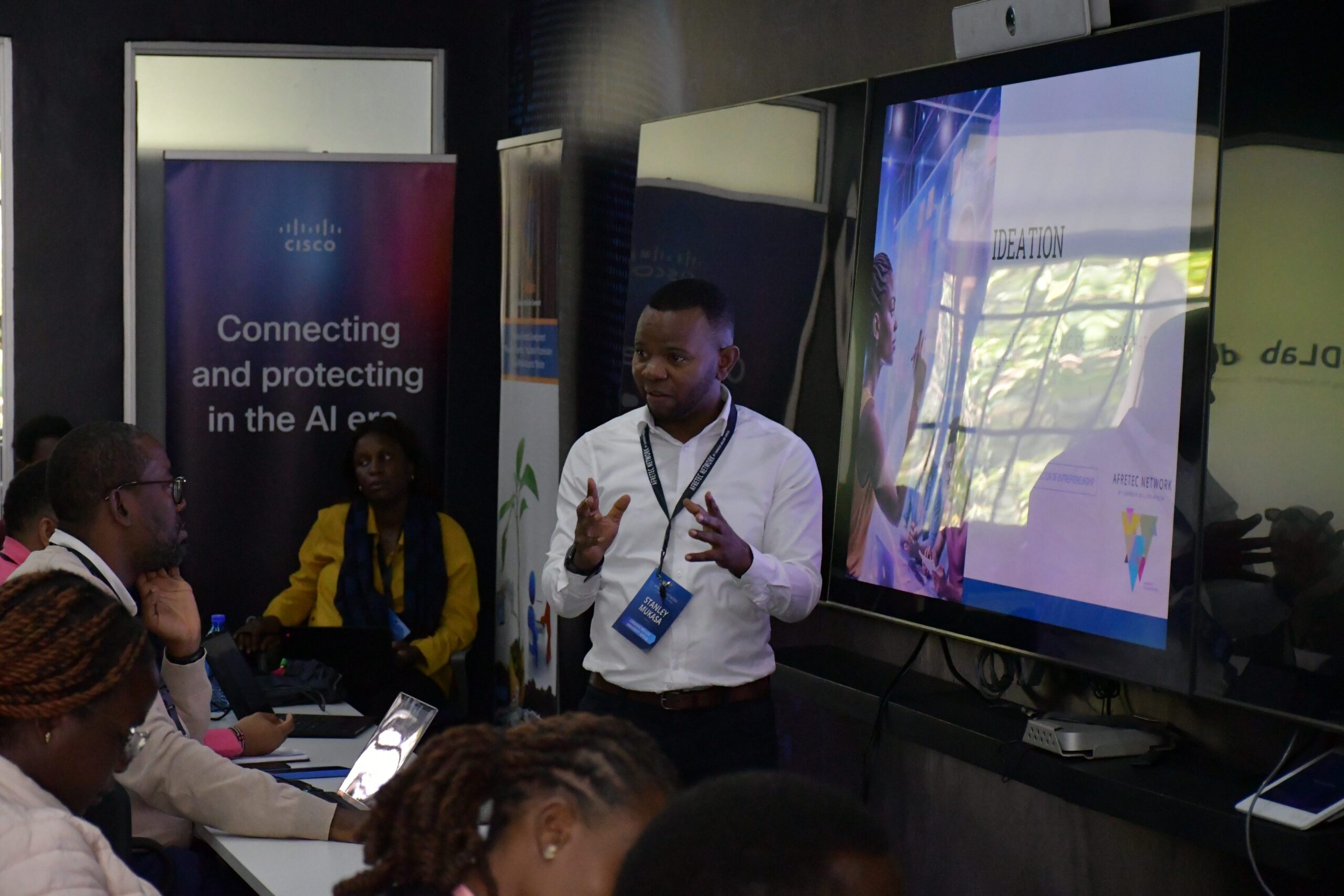
As the day progressed, the focus naturally moved into ideation. Teams explored different approaches to solving their identified challenges, stretching their thinking while staying grounded in the user insights developed earlier. The process was dynamic and iterative—ideas were proposed, tested in discussion, challenged, and improved. There was a clear sense of momentum as concepts began to take clearer shape.
By mid-day, conversations within teams had grown more structured and purposeful. Ideas that had initially been broad started narrowing into more practical and actionable directions. The transition felt organic, with each session building on the last and guiding participants toward greater clarity.
The shift into prototyping in the afternoon marked an important milestone. Teams began translating their ideas into tangible forms—early models, frameworks, and solution outlines. It was a moment where thinking became doing. The room reflected this change, with teams deeply engaged, sketching, debating, and testing their assumptions as they worked toward something concrete.
Later in the day, participants had the opportunity to hear from an industry leader who shared a journey of building and scaling innovation across Africa. The session offered a grounded perspective on what it takes to move from an idea to real impact, reinforcing the importance of persistence, adaptability, and staying close to the problem being solved.
By the close of the day, there was a clear sense of progress. Teams had moved beyond abstract ideas into early-stage solutions, supported by continuous feedback and collaboration. The conversations had deepened, the ideas had matured, and the direction forward had become clearer.
Day Two reflected what the Makerthon is truly about—bringing people together to think, build, and learn in a shared space. With this momentum, teams now move forward with greater confidence as they continue refining their solutions in the days ahead.